Hand Health & Aging

Jars that used to open easily. A handshake that doesn't feel as firm. Needing to squeeze things harder than you used to. If this sounds familiar, you're not imagining it — and you've probably noticed it in daily life before it would ever show up on a formal strength test. Grip strength is one of the most common changes people notice in their hands over time, often before anything else about their health feels different.

It's also well understood.
Here's what's actually happening to your hand health, and what you can do.

What's Happening to Your Hands
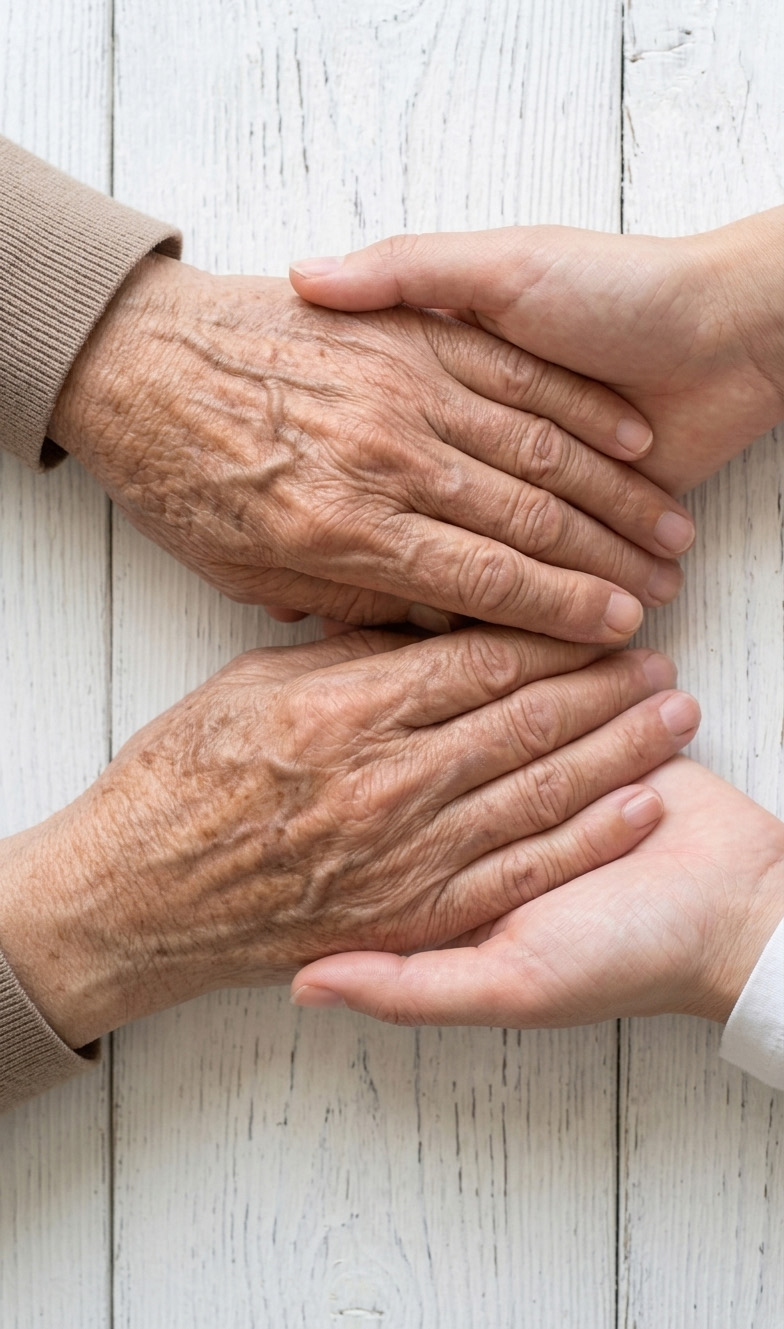
A pair of aging hands.

Grip strength typically peaks in the 30s, then declines gradually — with several large population studies finding the rate of decline itself picks up around age 50-60 in both men and women, tied partly to the menopausal transition in women.

Clinicians distinguish between two related processes: loss of muscle mass (sarcopenia) and loss of muscle strength (dynapenia). They aren't the same thing. Strength normally declines faster than muscle mass, and conditions such as arthritis can accelerate both. But hands often start losing real, practical function even before this strength loss can be measured, which is why the change goes unnoticed longer than it should.

This decline is common, not rare. Estimates for low grip strength stay under 10% through most of midlife, but rises to about 1 in 4 people by their 80s. It is also typical to have a sudden strength decline, with many people over 70 experiencing a 20–25% drop over a 3-5 year period. Pinch strength also declines with age, though a little slower than grip strength. It affects smaller daily tasks — like opening a yogurt, closing a Ziploc bag, squeezing a shampoo bottle, or writing — rather than heavy lifting.

It's also not inevitable. Progressive strength and resistance training is consistently identified as the most effective known way to slow, stabilize, or partially reverse strength decline. Even well into someone's 80s and 90s. That's the reason hand-strengthening tools and programs exist at all.
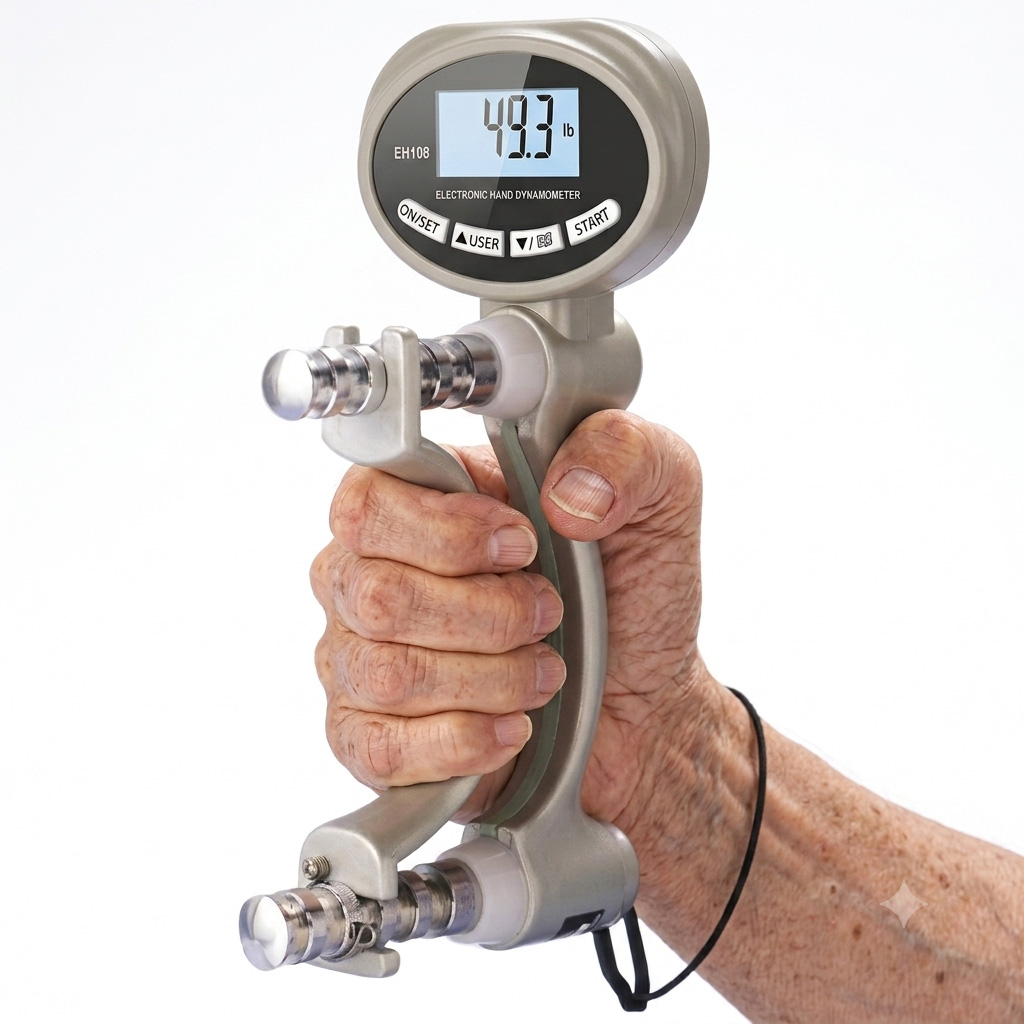
A hand dynamometer used to measure grip strength.

Hand Strength - An Important Health Marker

Hand strength is easy to measure and turns out to be a useful proxy for overall health, with large studies linking it to fall risk, dementia, and long-term independence. Some clinicians treat it as a general health indicator in the same conversation as blood pressure.

It's also not purely an "old age" thing; measurable differences can show up even in midlife. A weaker grip on its own doesn't mean something's wrong though, it's just a visible, trackable signal worth paying attention to as part of your overall health.
Professionals to See About Hands

A few kinds of professionals typically get involved.

  • Physical therapists focus on movement and mobility broadly, and are often the right first stop after an injury.
  • Occupational therapists focus more specifically on your ability to do daily tasks (cooking, dressing, writing) which puts them closer to hand-specific concerns.
  • Certified Hand Therapists (CHT) is a further specialization: an OT or PT with at least 4,000 hours treating hand and upper-limb conditions. If hand function is significantly affected, such as post-surgery, a CHT is generally the most targeted person to see.

Two other specialists sometimes enter the picture for older adults:

  • Rheumatologists diagnose and manage joint disease itself.
  • Geriatricians focus on overall function and independence as they relate to aging broadly.

The path often starts with a primary care physician, but a referral usually isn't strictly required. Many PT and hand therapy practices accept self-referral, so you can often book an initial evaluation directly, even before anything is formally diagnosed.

Common Tools to Improve Hand Function

Most people start with one of a few well-established tools. Each with a different purpose.

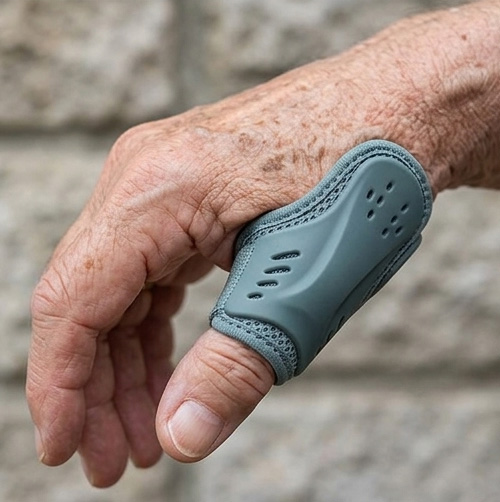
A CMC joint splint used to stabilize the base of the thumb.
For pain

Hand Braces and Splints

Braces for hands, such as the CMC joint (base of the thumb), work differently from everything else here: instead of building strength, they passively stabilize a joint during daily use, reducing pain in the moments you're actually pinching something. That's a real, distinct advantage that exercise can't replace, which is why braces tend to sit alongside a hand health routine rather than substitute for one. The evidence is also pretty rigorously studied: splinting meaningfully reduces pain.

Hands are unique and products often have slightly different ergonomics, so finding something that feels right may take time, but many people insist they're worth it.

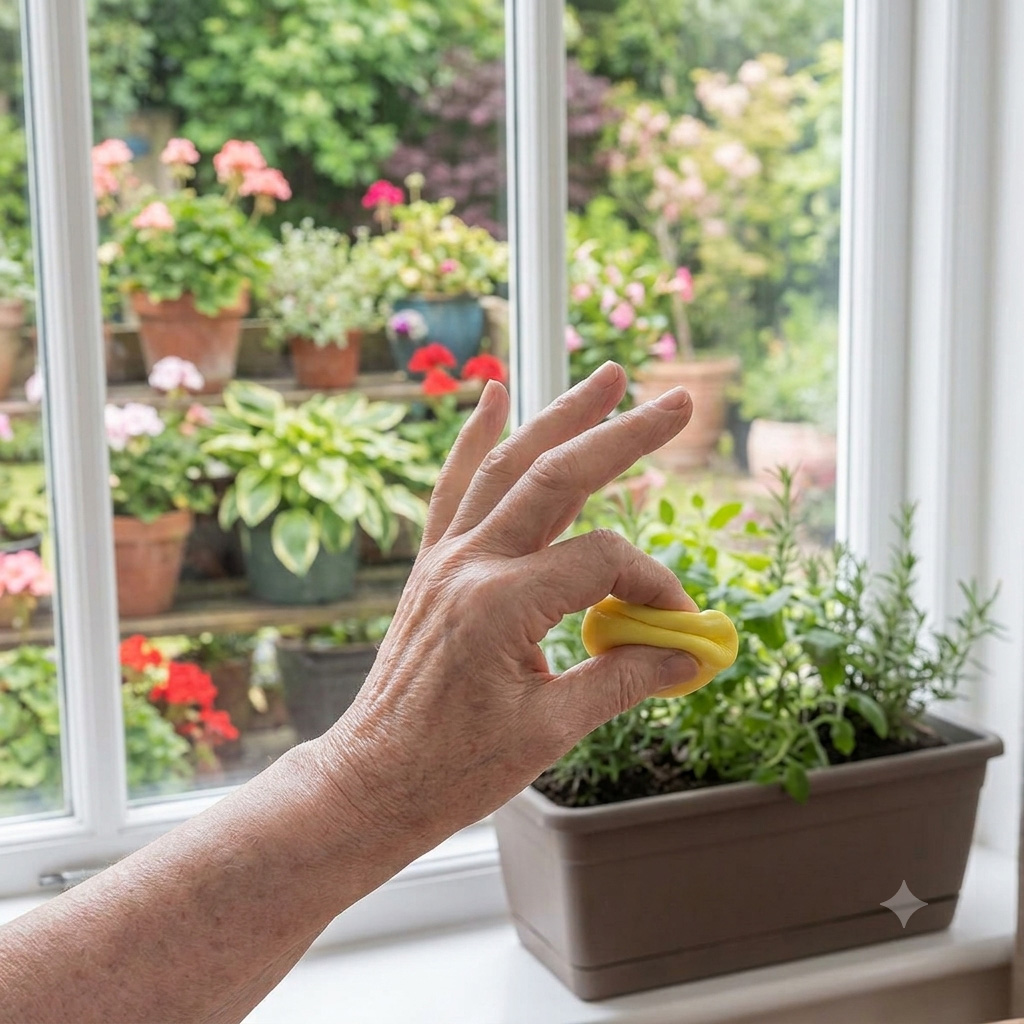
Colored hand therapy putty used for grip-strengthening exercises.
For flexion strength

Therapy Putty

Putty is cheap, needs no instructions, and has a solid evidence base. One study found that adding putty exercises to standard care roughly doubled the improvement in hand function and quality of life.

It works partly because it trains movement in several directions at once (squeezing, pinching, stretching, twisting) close to how hands actually get used. It also typically comes in a range of resistance levels, often color-coded, so there's room to progress as your hand gets stronger. On its own, it's a strong foundation: simple, versatile, and genuinely effective for building strength as part of a hand health routine.

A finger resistance band used to strengthen finger extension.
For extension strength

Finger Resistance Bands

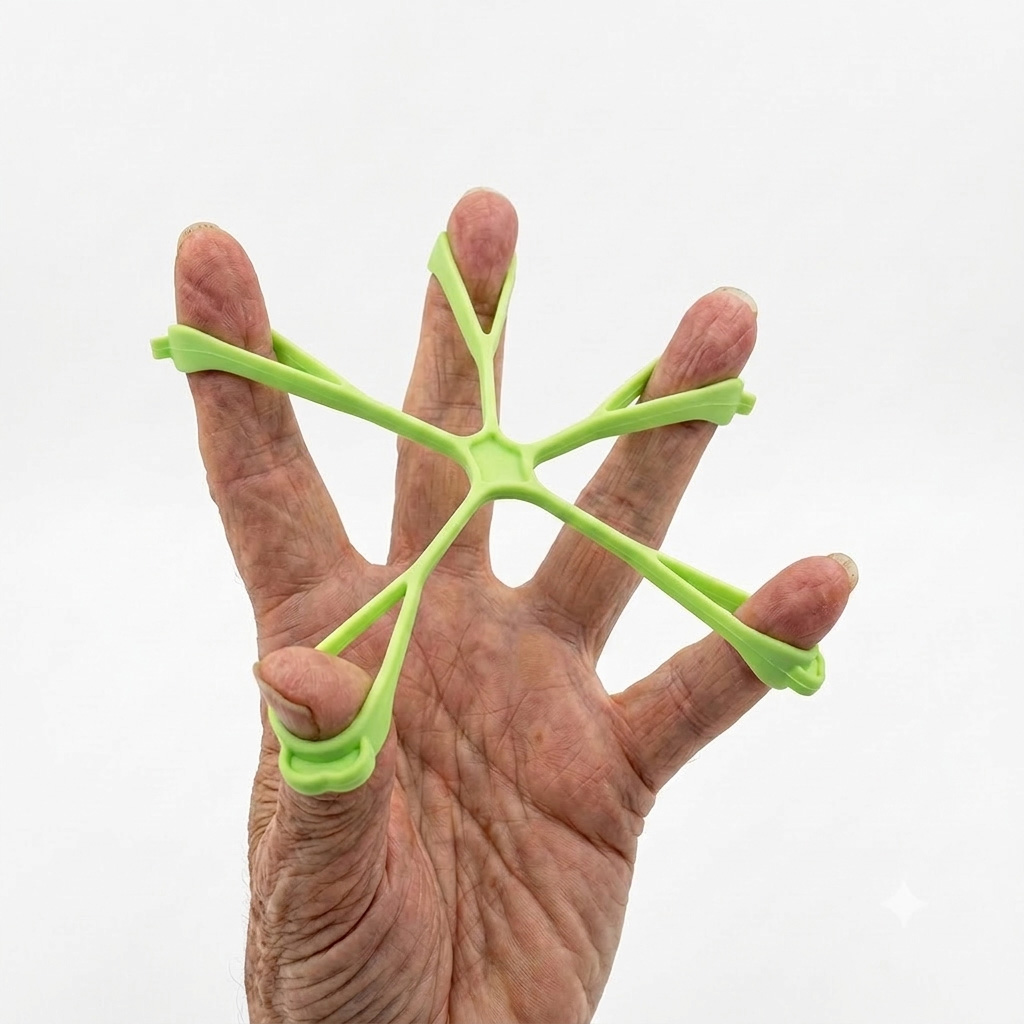
Bands fill a different gap, they train fingers to open against resistance, not just close. Most other tools center on a closing motion, leaving the muscles that extend and spread the fingers untrained. Those extensor muscles do more than just open the hand; they also help stabilize grip itself. Dedicated hand therapy programs generally treat that opening motion as just as important as gripping, which makes bands a nice complementary addition to a hand health routine.

Referenced Sources
Myogen Health

A hand health program
built to help.

Myogen Health is developing the HMES One, a wearable hand muscle stimulator paired with a guided home program, designed with clinical input for women like you.

Join the waitlist